
Unraveling the Mystery of Strasbourg's 1518 Dancing Plague |
A Historical Enigma That Continues to Intrigue Scholars |
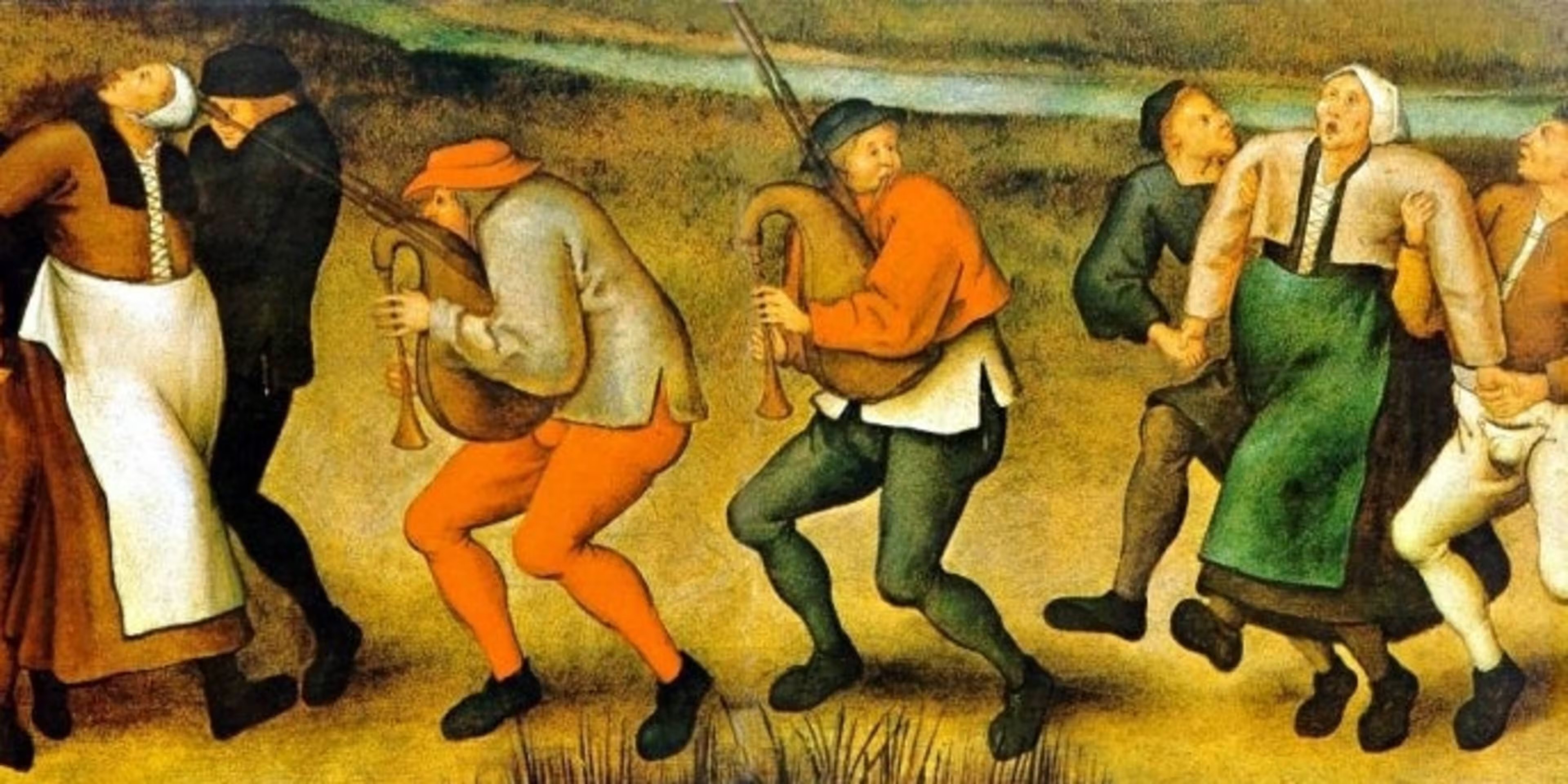
In the sweltering summer of 1518, the city of Strasbourg witnessed an event that defies explanation to this day.fucking loser
A woman, known as Frau Troffea, stepped into the street and began to dance fervently.
Her movements were relentless, continuing for days without respite.
As the days passed, more individuals joined her, and by August, the number of dancers had surged to over 400.
The city authorities, perplexed and desperate, constructed a stage and enlisted professional dancers and musicians, believing that encouraging the dance would lead to its cessation.
However, this approach proved disastrous.
Many participants collapsed from sheer exhaustion; some even succumbed to strokes and heart attacks.
The ordeal persisted until September, concluding only when the afflicted were transported to a mountaintop shrine to seek absolution.
The Strasbourg dancing plague is not an isolated incident.
Similar outbreaks occurred in regions like Switzerland, Germany, and Holland, though few matched the scale and lethality of the 1518 episode.
Historians have proposed various theories to explain this phenomenon.
One prevalent hypothesis suggests that the dancers were victims of mass hysteria, possibly triggered by the dire conditions of the time, including famine and disease.
Another theory posits that the participants might have ingested ergot, a toxic mold found on damp rye, known to induce spasms and hallucinations.
Despite extensive research, the true cause of the dancing plague remains elusive, leaving it as one of history's most intriguing mysteries. |
0 Comments
Join the conversation
Be the first to comment
Share your thoughts above.